Lightweight stacking chairs and training tables are common building blocks for a flex space setup, and our modular seating and gathering space furniture cover the more lounge-oriented side of the same need. The best flex space furniture tends to share a few traits regardless of piece type: light enough for one person to move, a small enough footprint to nest or stack for storage, and a finish durable enough to survive being moved several times a week without looking worn after a year.
Free shipping applies to all 48 contiguous states, and purchase orders are accepted from corporate, educational, and government facilities buyers.
FAQs:
What furniture works best for a room that needs to change layout daily? Lightweight stacking or folding chairs, flip-top or nesting tables, and modular seating sections are the standard building blocks, since each can be moved and reconfigured by one or two people without special equipment.
How much storage space does flex space furniture typically need? This varies by piece, but stacking and nesting designs are chosen specifically to minimize storage footprint, generally requiring far less closet or storage-room space than fixed furniture of the same seating capacity.
How often can flex space furniture be reconfigured before it wears out? Commercial-grade flex furniture is generally built for daily reconfiguration over years of use, not occasional moves. Frame quality and the hinge or folding mechanism are the parts most likely to show wear first, so it's worth checking those specs on any model used multiple times a week.

 Was: $2,299.00Sale: $1,199.00
 Was: $2,399.00Sale: $1,299.00
 Was: $2,399.00Sale: $1,299.00
 Was: $2,399.00Sale: $1,299.00
 Was: $1,200.00Sale: $899.00
 Was: $5,969.00Sale: $2,299.00
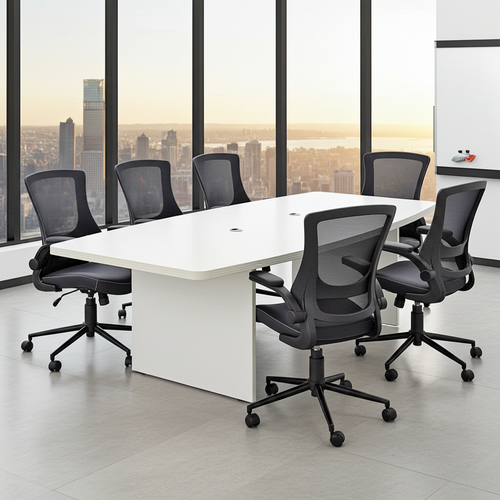 Was: $5,069.00Sale: $2,499.00
 Was: $5,969.00Sale: $2,599.00
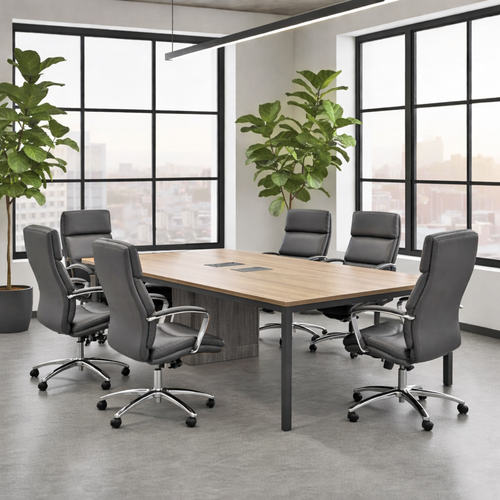 Was: $5,549.00Sale: $2,699.00
 Was: $5,619.00Sale: $2,799.00