These pair well with our stackable classroom chairs and nesting classroom chairs lines for schools that need padding without giving up daily stacking or storage. Rolling classroom chairs are also available for rooms that reconfigure more than they stack. Foam density is worth asking about directly if the chairs will see years of daily use, since a thinner or lower-density foam can compress and lose comfort well before the frame itself wears out.
Free shipping applies to all 48 contiguous states, and purchase orders are accepted from school districts and educational facilities buyers.
FAQs:
Do padded classroom chairs still stack? Many do, though padding adds some bulk to a stacked column compared to a hard-shell chair. If storage space is tight, it's worth checking a specific model's stacked height before ordering in volume.
What upholstery holds up best in a classroom? Vinyl and other wipeable, stain-resistant materials tend to outlast fabric in a classroom setting, where spills and daily handling are routine rather than occasional.
How much more do padded classroom chairs cost than hard-shell models? The difference is generally modest per unit, though it adds up across a full classroom or building order. Many districts reserve padded options for spaces with longer sit times, like lecture halls or libraries, and use hard-shell chairs in standard classrooms to balance the budget.

 Was: $335.00Sale: $159.00
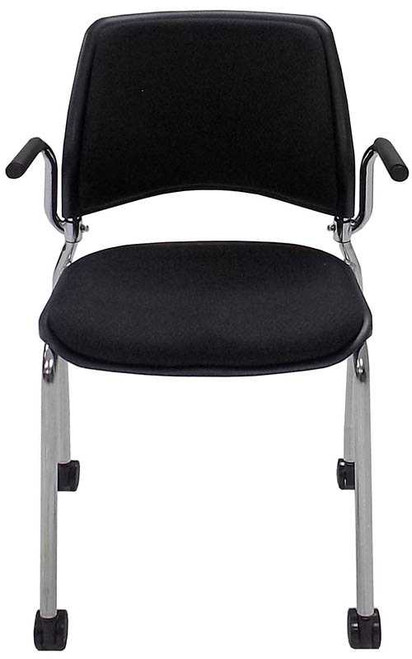 Was: $425.00Sale: $199.00
 Was: $335.00Sale: $159.00
 Was: $425.00Sale: $199.00

