If you need more capacity, our 500 lb category steps up from here, and our 300 to 350 lb category covers lighter-duty needs at a lower price point. For seating built specifically around bariatric use cases rather than just a weight rating, see our bariatric seating line as well. A 400 lb rating is a common middle ground for facilities that want real reinforcement without paying for capacity they don't need, especially in shared or multi-shift environments where the same chair sees different users throughout the day.
Free shipping applies to all 48 contiguous states, and purchase orders are accepted from corporate, medical, and government facilities buyers.
FAQs:
What's the difference between a 400 lb and 500 lb capacity chair? The frame, base, and gas cylinder are typically built to a higher spec on 500 lb rated chairs, not just a different label on similar parts. If daily use is anywhere near the rated limit, it's worth sizing up rather than choosing the minimum that technically covers the weight.
Do 400 lb capacity chairs cost more than standard office chairs? Generally yes, since the frame, base, and casters all need to be built to a higher spec. The price difference is usually modest compared to the cost of a chair failing under daily use.
How is a chair's weight capacity actually determined? Manufacturers typically test the frame, base, and casters under static load and apply a safety margin below the point of failure. The rated capacity reflects what's considered safe for regular daily use, not the absolute maximum the chair could theoretically hold once.

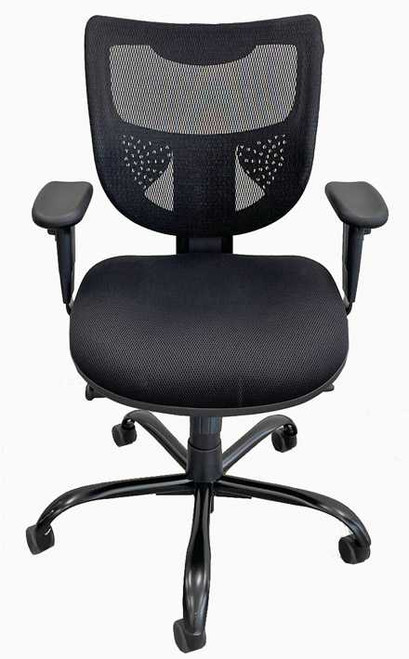 Was: $798.00Sale: $539.00
 Was: $878.00Sale: $579.00
 Was: $775.00Sale: $399.00
 Was: $798.00Sale: $539.00
 Was: $898.00Sale: $579.00
 Was: $790.00Sale: $439.00
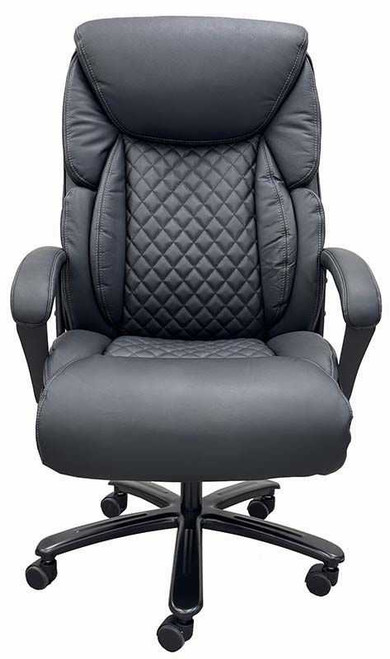 Was: $1,500.00Sale: $799.00