Narrow Results
Collapse
-
 Was: $590.00Sale: $319.00
 -
 Was: $640.00Sale: $349.00
 -
-
-
-
-
-
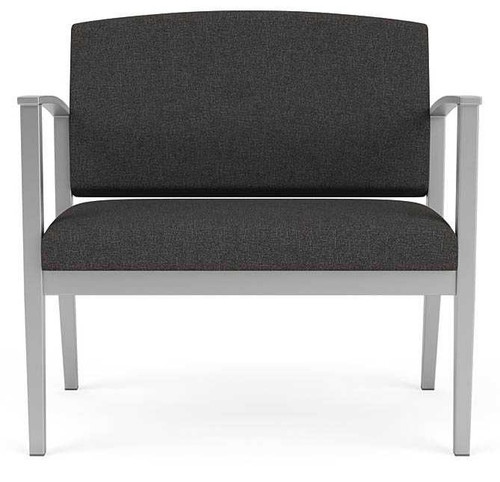
Bariatric seating is built around the user, not just a higher number on a spec sheet. Wider seats, reinforced frames, and higher weight ratings are standard here, common in medical facilities, waiting rooms, and any setting that needs to comfortably accommodate a wider range of body sizes without singling anyone out.
Narrow Results
Collapse
Narrow Results
Collapse
For a broader range of weight ratings, our 400 lb and 500 lb categories cover options built to a specific capacity rather than the bariatric use case specifically. Medical and clinical buyers should also check our waiting room chairs and exam room chairs categories. Seat width matters as much as weight rating in this category, a wider seat pan improves comfort and dignity for the user even when the weight capacity alone would technically be sufficient on a narrower chair.
Free shipping applies to all 48 contiguous states, and purchase orders are accepted from medical facilities, corporate, and government buyers.
FAQs:
What is a bariatric chair? A bariatric chair is built with a wider seat, reinforced frame, and higher weight rating than a standard chair, typically starting around 400 to 500 lbs of capacity, designed to comfortably accommodate a wider range of body sizes.
Are bariatric chairs only used in medical settings? No. While common in medical facilities and waiting rooms, bariatric seating is also used in offices, government buildings, and any setting that wants to comfortably accommodate all visitors and staff.
How many bariatric chairs should a waiting room include? There's no universal standard, but many healthcare facilities plan for at least one to two bariatric seats per waiting area, positioned with enough surrounding clearance for easy access.